
Venezuela is better off without Maduro in power. Probably. There are a number of links reported between the Maduro regime and Hezbollah, Iran, Russia, China, and similar militant groups and authoritarian regimes. These links include ones related to narcotics smuggling and other organised crime, while the regime has also been threatening a border war with Guyana. As a matter of fact, the official line from a number of countries including the EU is that he wasn’t even the president due to the irregularities surrounding the last presidential elections.
That, however, does not detract from the fact that the US has just launched lethal air strikes on a country that as opposed to civil-war Syria, Libya, or Yemen is not a failed state (just a corrupt and authoritarian one), where they also essentially kidnapped two people and brought them back to the US to stand trial. This kind of actions would be hard to find any kind of legal reasoning behind, and the Trump regime isn’t even trying (that is in fact in stark contrast to not only many former US interventions which have argued everything from responsibility to protect civilians to secret weapon of mass destruction programmes, and often set aside significant time and resources to follow the processes according to US legislation. But even the Russians usually tries to come up with something).
In any case, regardless of Maduro’s vices, most countries have agreed you really shouldn’t do that kind of thing dating back to at least Napoleon snatching the Duke of Enghien with a cavalry raid into foreign territory to capture him in his home (sounds familiar).
This in turn has seen a number of people try to find the reason behind the operation, something that is not helped by Trump and his people giving widely differing views depending on who does the speaking at any given time. In any case, Trump seems quite clear that he wants control of the huge Venezuelan oil reserves and ensure that US companies gets involved in the extraction. This despite the fact that most analysts seem to believe that even in the best of times – i.e. when there isn’t significant political unrest in-country – the case for any kind of significantly expanded and financially sound extraction seems limited at the current levels of oil prices. As a matter of fact, both the US and Canada currently export significantly more oil than Venezuela, but as we have seen with Trump’s fixation on tariffs he isn’t necessarily one to let reality and economics get in the way of an idea, so it is entirely possible that getting a regime that is more ready to accept US involvement in the oil industry might be a heavy reason. The same can be said about the war on drugs argument, where snatching Maduro likely won’t have much of an effect on drug smuggling, but where it is entirely possible that Trump (being an outspoken teetotaller) and/or some other key members of the administration might indeed have strong anti-drug views, while also having taken their inspiration for anti-drug measures from ‘Clear and Present Danger’.
At the same time, it is also entirely possible, I would argue likely, that ‘the real reason’ behind the Venezuela-operation isn’t a single clear issue, but a number of different angles which different members of the administration give different value to. I would not be surprised if Rubio as an example honestly isn’t that interested in the oil, but is acting more based on a modernised Monroe-doctrine that any outside intervention in the Western hemisphere cannot be viewed “in any other light than as the manifestation of an unfriendly disposition toward the United States”. But perhaps most importantly, we shouldn’t discount some other age-old reasons why nations go to war: the hunt for glory, a desire to paint more of the map in your colours, and good old personal pettiness.
Another reason why I don’t necessarily believe there is a single solid reason behind the operation is the apparent lack of a plan for what should happen next in Venezuela. There seems to be some indications that the raid might not have come as quite the surprise to certain parts of the Maduro regime as they would want the world and their people to believe. Though, granted, ex-vice president Delcy Rodríguez (again, not recognised by many countries) has not sounded exactly supportive of the US ideas, even if her later statements are somewhat more conciliatory compared to the initial reactions. In any case, this is not a regime change operation, as the regime sans-Maduro remains intact, with the whole “Now they are our friend”-take as presented by Trump apparently resting on the idea that the firepower demonstrated was enough to convince the remaining leadership that it is time to turn ship.
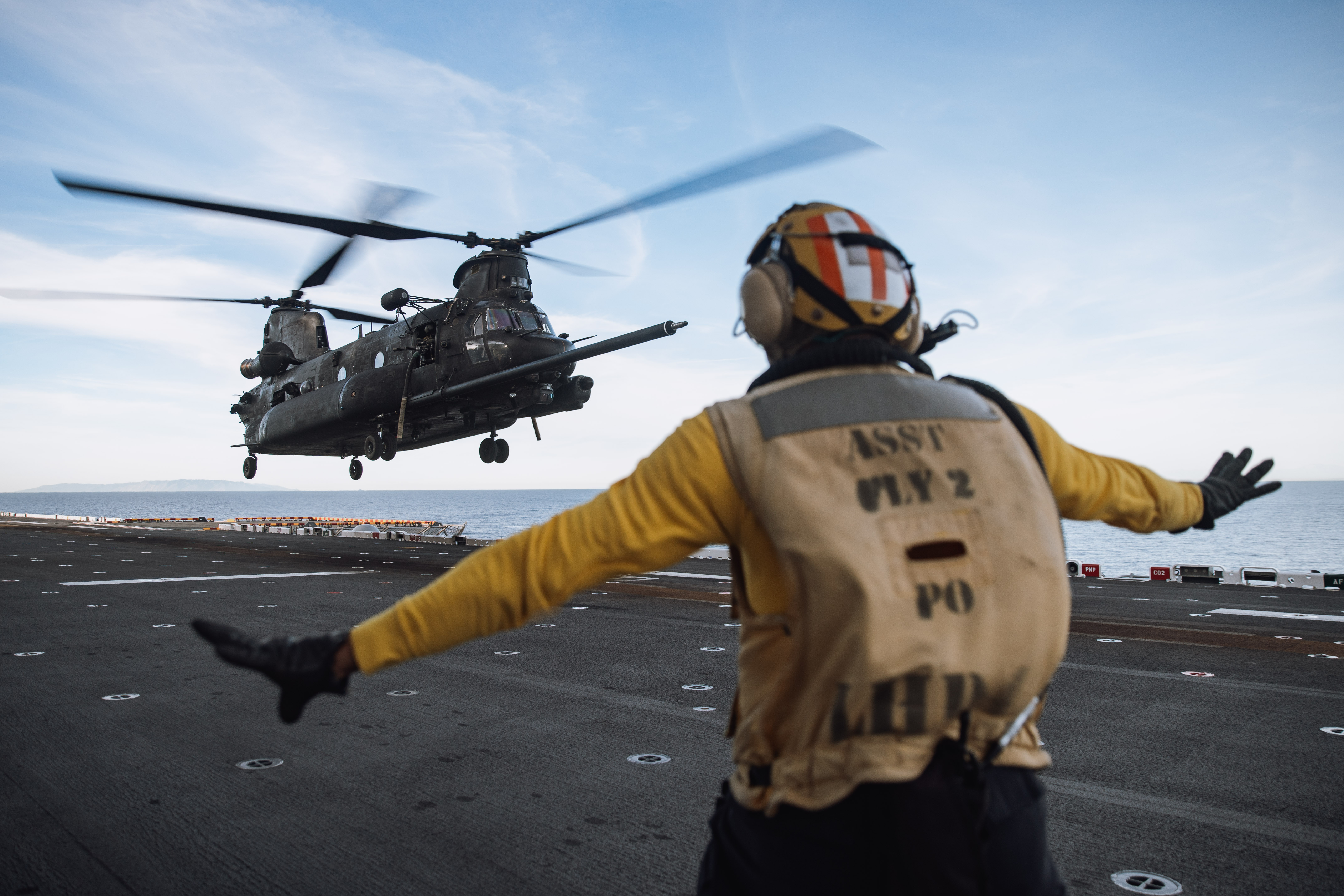
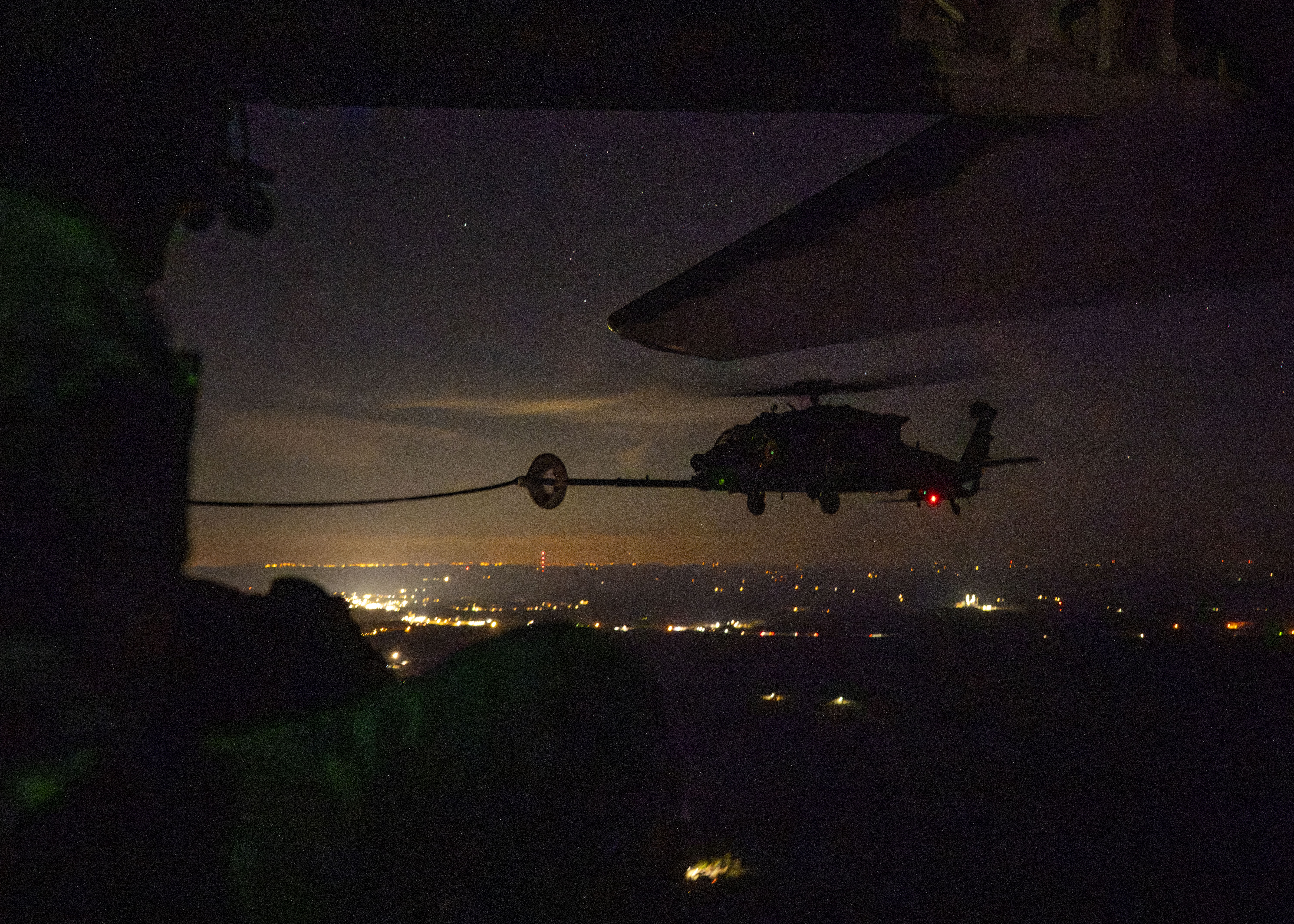
It might work, depending on how ideologically set the remaining key players are. Because the one undeniable fact is that the military part of the operation was a show of force that once more underlines just how impressive the current US war machine is. There simply is no other nation that has the capability to pull off something similar – not necessarily because the individual special forces operators are miles in front of their colleagues from other countries, but because they fit into a huge machinery that include the expeditionary arm to at distance employ a significant number of capabilities across multiple domains (including cyber) in such a coordinated fashion. It’s not the Delta Forces in themselves that give cause for alarm in a number of capitals around the world, but the Deltas transported by a dedicated aviation element, supported by USAF and USN assets, backed up by the most comprehensive intelligence capabilities known to man, and with the political will to use this toolbox to further national interests. If the US really wants to hurt you, it almost certainly can do so in some shape or form, regardless of where in the world you are.
However, the major issue here is the obvious lack of long-term thinking and a clear strategy for how to achieve any goals more complex than getting Twitter-likes – such as how to get countries in either the western or the eastern hemisphere to act in line with US interest. What is really striking is the complete lack of understanding for how the US has built its position in the world. An isolationist policy is a perfectly possible one to have, but the administration seems to fail to understand that the reason Washington has the leverage it does over other countries rest on a combination of goodwill acquired through soft power and the role as the leader (and protector) of smaller democracies. While you might decry the latter part as leading to free-riding – which at least partially is correct – it has also been a US policy that their unique military capabilities – in particular when it comes to nuclear weapons – is something that does give them leverage in a whole host of other questions where they want to have a say in the actions of other nations. Take away that, and you might just get a number of countries that will invest enough in defence (including nukes) to ensure they have their of freedom of manoeuvre in international relations to do whatever they want, and let someone else worry about what Washington thinks.
This lack of an understanding of how actions in the tactical/operational space will affect the strategic and grand strategic one is somewhat ironic, as one of the good points the new National Security Strategic made was the emphasis on strategy as the “concrete, realistic plan that explains the essential connection
between ends and means”, which again raises questions about the extent to which the actions of the Trump administration actually will follow any course as plotted in its own documents.
At this point, it might be worth noting that while this certainly gives Chinese and Russian propaganda an easy ball to score some points with, it is highly debatable if, and if so then how, this actually changes Chinese and Russian behaviour. While it might be argued to increase the risk appetite for others to see the US example, the truth is Russia tried and spectacularly failed to quickly capture Zelensky at the outset of the invasion (though the similarities shouldn’t be overemphasised – what Russia did was try to hold ground while waiting for an armoured column, not a quick raid followed by a quick extraction, which again underline that part of the difference here is not the individual soldiers but the intelligence work and planning based on it). In fact, another possible outcome is that both Russia and China get cold feet after having once more gotten the opportunity to see a demonstration of the US way of war.
However, the major issue is Greenland. And that’s what we will look at tomorrow. Because things will get worse.
 Corporal Frisk